Stranded Deep Nintendo Switch Review & Survival Guide
Explore our in-depth stranded deep nintendo switch analysis, covering survival mechanics, performance issues, and value comparison today.
Published: Stranded Deep Wiki Editorial Team
Table of Contents
Introduction to Ocean Survival on Console
Finding yourself stranded deep nintendo switch style sounds like a dream come true for portable survival enthusiasts, yet reality often proves more complex. When survival games drop unexpectedly onto hybrid consoles, understanding their true performance matters immensely for players investing their hard-earned money.
This guide evaluates how the port holds up against expectations, analyzing everything from core mechanics to technical stability.
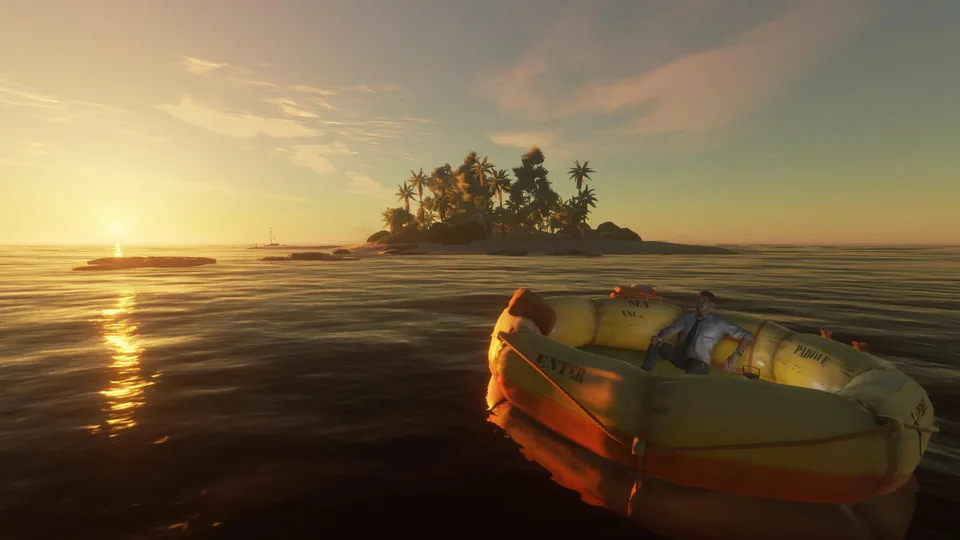
Embarking on an open-world maritime adventure requires patience, especially when surviving a mysterious plane crash in the vast Pacific Ocean. Players must master crafting, resource management, and navigation while enduring unpredictable weather and dangerous marine wildlife.
However, diving into stranded deep nintendo switch editions demands a closer look at whether the portable execution matches the ambition of Beam Team Games' original survival formula.
Visuals, Performance, and Technical Compromises
Technical performance dictates much of the modern gaming experience, and unfortunately, this port struggles significantly. According to community feedback and player experience reports, resolution takes a heavy hit right from the start. While initial island areas maintain acceptable frame rates, venturing into procedurally generated territories triggers noticeable frame rate drops.
Performance Metric
Initial Island Area
Procedural Open Ocean / New Islands
Target Frame Rate
Mostly stable 30 FPS
Frequent stutter and drops
Visual Fidelity
Low-res textures, simple shadows
Significant pop-in for trees and items
Text Scaling
Fixed small recipe text
Hard to read in handheld mode
Audio Quality
Clear environmental sounds & music
Generally stable with minor cues
Texture resolutions appear remarkably low upon closer inspection, accompanied by aggressive pop-in effects for shrubbery, trees, and environmental items. Audio design fares much better, delivering immersive environmental wind, weather effects, and atmospheric musical cues that enhance tension during shark encounters.
Handheld Readability Warning
Text scaling cannot be adjusted in-game. Pinned crafting recipes in the top-left corner require intense squinting during portable play sessions.
Core Survival Mechanics and Crafting Loop
Despite technical hurdles, the core gameplay loop retains the addictive qualities that fans expect from the genre. Players utilize a handy waterproof watch interface to monitor vital statistics such as hunger, thirst, sun exposure, and core health ailments.
Crafting progresses logically from basic stone-and-stick tools to advanced water stills, shelters, and seafaring watercraft.
Gather Basics: Collect rocks, sticks, and palm fronds scattered across your initial starting beach.
Construct Shelter: Build a basic shelter as quickly as possible to enable saving your game progress.
Monitor Vitals: Keep a close eye on your survival watch to prevent dehydration and sunstroke.
Expand Horizons: Craft a raft to explore neighboring procedurally generated islands for rare resources.
Inventory management remains a point of friction, however. Carrying items can occasionally lead to accidental drops of crucial tools like knives, resulting in frustrating searches across dense undergrowth.
Despite these clunky inventory mechanics, the sheer depth of base building, farming, and shipwreck looting provides genuine survival satisfaction for dedicated players.
Platform Value and Price Comparison
Evaluating purchasing value reveals a stark contrast between different gaming ecosystems. The stranded deep nintendo switch digital release commands a premium price tag on the Nintendo eShop, often doubling the cost found on standard PC storefronts.
Stealth drops with limited pre-launch reviews can catch consumers off guard, making informed purchasing decisions vital.
Nintendo Switch Edition
Priced at around £22.99, featuring high portability but compromised graphical fidelity and unstable frame rates during exploration.
Steam / PC Version
Generally available at less than half the console price, delivering superior graphical options, stable performance, and precise mouse-and-keyboard controls.
Players seeking optimal value may want to check official distribution platforms like the Steam Store Page for Stranded Deep to compare pricing structures and system requirements before making a final commitment.
Frequently Asked Questions
Is multiplayer supported in the Nintendo Switch version?
The core experience focuses on solo survival, requiring players to fend for themselves against hunger, thirst, and Pacific predators entirely on their own.
How do I save my progress in Stranded Deep?
Saving your game requires constructing a valid shelter structure on an island. You cannot save freely anywhere in the open ocean.
Does the stranded deep nintendo switch port match the trailer visuals?
Player reports and reviews indicate that promotional trailers present a sharper visual fidelity than the actual docked and handheld performance.
Is the Nintendo Switch version worth buying at full price?
Given the technical compromises, frame rate stutters, and high relative cost, many community reviews recommend playing the title on alternative platforms if possible.