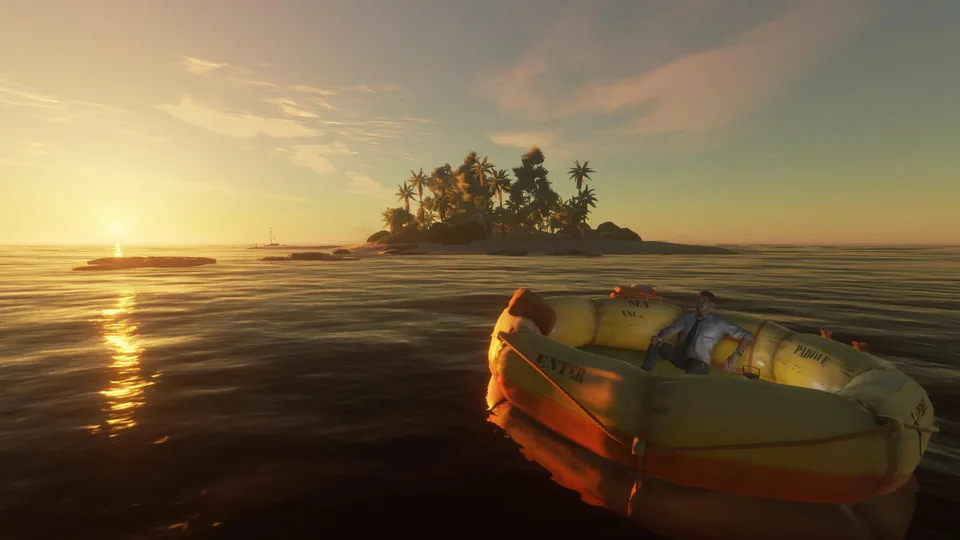
Stranded Deep How to Progress: Essential Survival Guide
Learn stranded deep how to progress efficiently with expert tips on water survival, craft upgrades, and island navigation. Start escaping today!
Published: Stranded Deep Wiki Editorial Team
Table of Contents
Mastering the Open Ocean: How to Start Your Journey
Survival in the Pacific can feel overwhelming due to the minimalist nature of the game and its steep initial learning curve. Knowing stranded deep how to progress effectively makes the difference between thriving on your island and perishing in the deep blue sea. Whether you are struggling to manage your thirst or wondering how to tackle the game's toughest predators, this comprehensive survival blueprint will help you escape Pacifica.
According to community reports from experienced players on the Stranded Deep Steam Store Page, managing your early game priorities dictates your entire playthrough. Without a solid foundation in water collection and tool crafting, you will quickly find yourself overwhelmed by the harsh mechanics of Beam Team Games' ocean survival simulator. Let us dive into the essential steps you need to take to master your survival journey.
Securing Your Life Line: Water and Early Food Management
Your absolute first priority upon washing ashore is hydration. Without water, your character will perish within two real-world days. While you can hack open coconuts in the beginning, player experience shows that consuming more than two coconuts at once triggers severe diarrhea, rapidly dehydrating your body.
To solve this permanently, you must construct a water still using easily accessible items like cloth and fibrous leaves. One fully stocked still easily sustains a single survivor and multiple farming plots. Combine this with proper food management, such as cooking or smoking meat on a smoker, to ensure your health never drops.
Coconut Hydration
Provides quick early-game thirst relief, but strictly limit yourself to one or two servings at a time to prevent debilitating diarrhea.
Water Stills
The ultimate renewable hydration source. Feed them fibrous leaves and palm fronds regularly to produce clean drinking water faster than you consume it.
Meat Smokers
Cooking meat over an open fire feeds you temporarily, but smoking meat ensures it never spoils, providing a reliable long-term food supply.
Resource Type
Renewable?
Primary Use
Storage Method
Fibrous Leaves
Yes (Yuccas)
Fuel, water stills, crafting
Crates / Inventory
Coconuts
No
Emergency hydration & food
Ground / Chests
Sticks
No
Crude weapons, small fires
Log bundles / Piles
Clay
No (Mineable)
Advanced water bottles & fuel stills
Storage shelves
Upgrading Your Arsenal: Tools and Crafting Efficiency
As you gather materials, your equipment dictates how fast you can gather resources. Starting with a crude stone tool, you should quickly transition to crafting a knife and a crude hatchet. However, seasoned players recommend upgrading to a refined hatchet as soon as possible.
Player experience indicates that a refined hatchet resists wear and tear much better than its crude counterpart, chops trees with fewer swings, and deals significantly more damage in wildlife combat. Furthermore, crafting a refined hammer allows you to build advanced structures like raft container shelves and plank stations.
Craft a Stone Tool: Smash rocks together to create your first primitive cutting implement.
Build a Knife and Hatchet: Combine your stone tool with sticks and lashings to harvest animal skins and chop down trees.
Upgrade to Refined Tools: Gather leather and additional stone tools to forge refined hatchets and spear guns for ultimate durability.
Equip Tool Slots: Store up to four identical tools in your backpack slots to ensure you never run out of durability during long expeditions.
Navigating the Archipelago and Building Your Raft
Exploration requires a reliable vessel and an understanding of the game's geography. The in-game map, known as the Cartographer, displays your world layout, though you must note that true North on the grid may point slightly off-axis depending on your current island orientation.
Your initial life raft is fragile and vulnerable to ocean currents and aggressive marine life. To truly progress, you must construct a custom raft using sturdy bases, a deck, a sail, and a rudder.
Tip
Build container shelves directly onto your raft deck using wood planks. This ensures your storage crates remain secure and never slide overboard during stormy weather or shark attacks.
Raft Component
Function
Material Requirements
Durability & Notes
Life Raft
Starter transport
Pre-deployed
Manual paddling, vulnerable to sharks
Custom Raft Base
Foundation
Rare wrecks / buoyant items
Serves as the core platform for your build
Sail & Rudder
Navigation
Cloth, sticks, lashings
Allows wind-powered and steered movement
Raft Motor
High-speed travel
Engine parts, duct tape, fuel
Requires potato-based fuel to operate
Overcoming Dangers: Wildlife and Status Ailments
The Pacific ocean is teeming with hazards, ranging from venomous sea urchins on the ocean floor to aggressive tiger sharks patrolling shipwreck sites. Stepping on a sea urchin or being bitten by a rattlesnake will inflict poisoning, slowly draining your health over three days unless treated with an antidote made from pipi plants and a coconut flask.
When dealing with sharks, community reports suggest luring them into shallow waters gives you better combat control. Using crude or refined spears allows you to hunt effectively without depleting your rare stone resources.
Warning
Never eat raw or spoiled meat, and avoid consuming multiple fruits or coconuts in rapid succession. Doing so induces severe food poisoning or diarrhea, which rapidly depletes your hydration levels and can lead to quick elimination.
Frequently Asked Questions
How do I progress efficiently in Stranded Deep?
To progress smoothly in Stranded Deep, prioritize building a water still on day one, upgrade your primitive stone tools to refined hatchets as soon as possible, and construct a stable custom raft with container shelves to safely transport resources between islands.
Do natural resources respawn in Stranded Deep?
Certain resources like yuccas and small palm saplings respawn every 48 hours, providing an unlimited supply of fibrous leaves. However, mineable rocks, clay, palm trees, and wild fruit are finite and will not grow back once depleted.
How do I cure poisoning in Stranded Deep?
Poisoning caused by snakes, sea urchins, or lionfish can be cured instantly by crafting an antidote using a coconut flask and a pipi plant found along island edges. Alternatively, you can survive by staying well-fed, fully hydrated, and sleeping through multiple days.
Can my raft be destroyed by sharks or storms?
No, standard sharks and ocean storms cannot damage, capsize, or break apart your custom raft foundations. You can safely ride out storms and endure minor bumps from curious marine life while traveling across the Pacific.