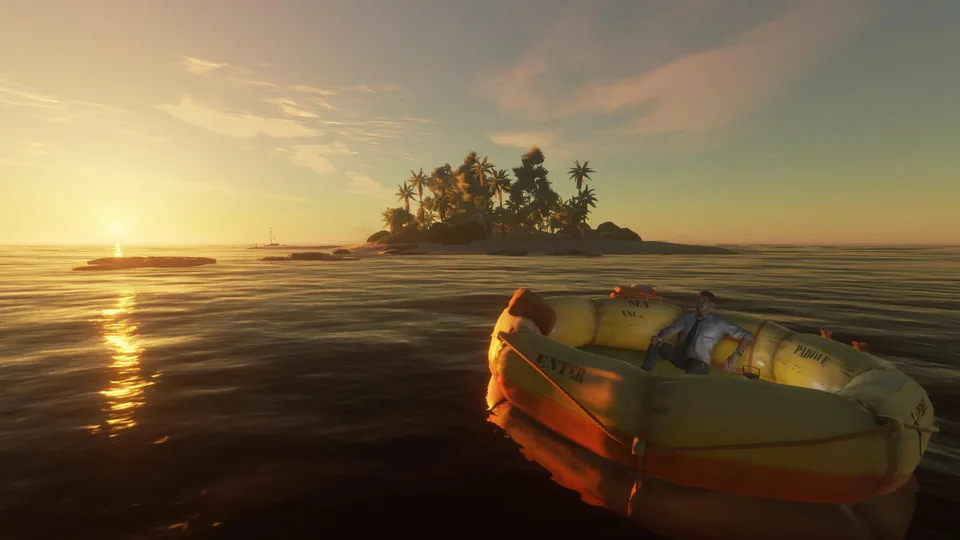
Stranded Deep Skills Guide: Master Survival Basics
Master stranded deep skills with our comprehensive guide. Discover essential survival tips, resource management, and efficient crafting techniques.
Published: Stranded Deep Wiki Editorial Team
Table of Contents
Essential Survival Strategies for Beginners
Surviving on a remote Pacific island requires more than just luck; it demands a solid understanding of fundamental stranded deep skills that keep you alive against harsh environmental conditions. Whether you are battling relentless heat or trying to stretch your limited resources, knowing how to efficiently manage your inventory and tools can make the entire difference between thriving and perishing. In this comprehensive guide, we will break down the most practical strategies gathered from community reports to help you master essential stranded deep skills right from your first day on the shore.
Without a proper grasp of these foundational techniques, players often burn through valuable resources and tools far too quickly. By learning how to optimize your workflow and utilize the environment to your advantage, you can drastically reduce the grind and focus on exploring the vast ocean. Let's dive into the core mechanics and expert tactics every castaway needs to know.
Resource Management and Crafting Efficiency
Managing your inventory and crafting components effectively is one of the most critical stranded deep skills you can develop early in the game. According to player experience, you do not actually need to hold crafting materials inside your inventory; instead, you can leave items like fibrous leaves on the ground, and they will still be recognized when you craft nearby.
Furthermore, managing specific plants like the yucca can provide a continuous supply of resources. When harvested, leaving the fibrous leaves on the ground prevents them from despawning while encouraging the plant to grow back faster. The table below outlines common early-game resource strategies:
Resource Type
Optimal Harvesting Method
Best Storage Practice
Fibrous Leaves
Cut down whenever hair is visible on top
Leave loose on the ground near plants
Clay Deposits
Mine from the top down for clear visibility
Collect pieces immediately as they fall
Wood/Planks
Harvest with efficient tool utilization
Store near designated building stations
When mining clay deposits, always mine from the top instead of the side. Sitting directly in front of a clay deposit obstructs your camera view, making it difficult to see where the individual pieces fall, whereas a top-down mining approach ensures total visibility and faster collection.
Mastering Tool Durability and Workshop Upgrades
Tools are your lifeline in the Pacific, and knowing when to replace them is a key element of advanced stranded deep skills. Crafting advanced stations like the plank station requires a refined axe, which can be quite expensive to produce in terms of leather and stones during the early game.
Player experience suggests a clever durability trick to maximize your resource efficiency before building major stations:
Craft your initial crude axe and use it for standard gathering tasks until its durability is almost completely depleted.
Check the exact tool durability percentage by highlighting the item within your inventory screen.
Continue using your crude axe until the durability reaches nearly zero before finally upgrading to a refined axe.
Use the newly crafted refined axe for basic tasks and let its durability drop close to zero before using it to build the plank station.
This method guarantees you squeeze every single drop of utility out of your tools before they break permanently, preventing unnecessary waste of rare crafting components.
Managing Body Temperature and Health
Warning
Overheating is a silent killer in the tropics. Relying solely on shade to cool down is extremely slow and can leave you vulnerable to dangerous sunstroke.
When your character begins overheating, standing in the shade takes an impractical amount of time to reduce your temperature gauge. According to community reports, taking a quick swim in the ocean is a vastly superior method that cools your character down almost instantly.
The comparison below highlights the efficiency difference between standard cooling methods:
Cooling Method
Speed
Safety Level
Recommended Situation
Standing in Shade
Very Slow
Moderate
Only when water is completely inaccessible
Ocean Swimming
Fast
High
Immediate action during severe overheating
By combining quick ocean dips with proper hydration and shelter placement, you can maintain optimal health throughout your island expedition. For more official updates and game details, you can visit the Stranded Deep Steam Page.
Frequently Asked Questions
How do I improve my stranded deep skills quickly?
Improving your stranded deep skills relies heavily on consistent practice, resource conservation, and learning efficient gathering routines such as top-down clay mining and smart tool durability management.
Do crafting materials need to be in my inventory?
No, community reports confirm that crafting materials can remain on the ground nearby, and the crafting system will still detect and utilize them automatically.
What is the fastest way to cool down when overheating?
Taking a quick swim in the ocean is significantly faster at lowering your body temperature than simply waiting in the shade.