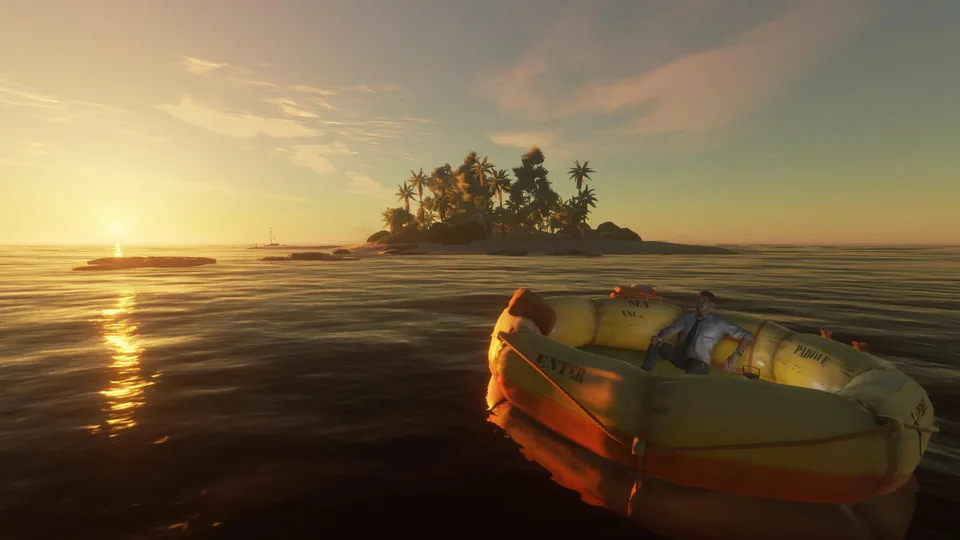
Surviving Stranded Deep Sharks: Combat Guide and Tips
Master stranded deep sharks with our comprehensive combat guide. Discover effective survival tactics, aggressive species breakdowns, and essential safety tips.
Published: Stranded Deep Wiki Editorial Team
Table of Contents
Introduction to Ocean Predators in Stranded Deep
Surviving a plane crash is only the beginning of your nightmare when navigating the perilous waters of the Pacific. Understanding how to handle stranded deep sharks is the absolute difference between thriving on your tropical paradise and becoming fish food. Without a solid strategy for dealing with these apex predators, your open-ocean exploration will come to a swift and brutal end.
When you set sail across the blue expanse, these marine hazards will test your combat readiness, resource management, and survival instincts. Whether you are hunting for raw hides or simply trying to survive a night-time expedition, knowing your adversaries is crucial. This guide breaks down everything you need to know about the ocean's most dangerous inhabitants, their behaviors, and how to conquer them safely.
Pacific Ocean Wildlife: Passive vs. Aggressive Creatures
The ecosystem in the game is vast, featuring both docile marine life and terrifying threats. Knowing which creatures to avoid and which ones to hunt for essential crafting materials dictates your long-term survival. According to player experience, while passive creatures like whale sharks and humpback whales offer peaceful encounters, aggressive species require immediate defensive tactics.
Passive Marine Life
Peaceful creatures such as the whale shark and giant grouper will not harm you, though hunting certain species yields valuable resources like large meat and rawhide.
Aggressive Predators
Species like tiger sharks and great whites actively hunt players, demanding careful positioning, preferably from a sturdy raft, to survive encounters.
To help you categorize the local fauna, the table below outlines the primary creatures, their behaviors, and their harvest rewards.
Creature Name
Behavior Type
Location
Harvest Rewards
Whale Shark
Passive / Friendly
Open Ocean
3 Large Meat, 3 Rawhide (if killed)
Tiger Shark
Aggressive
Shallow / Open Ocean
3 Large Fish Meat, 3 Rawhide
Hammerhead
Aggressive
Shallow Waters
3 Large Meat, 3 Rawhide
Great White Shark
Apex / Highly Aggressive
Deep Ocean (Night/Edge)
4 Large Meat, 4 Rawhide
Detailed Breakdown of Stranded Deep Sharks
Every shark species in the game presents unique behavioral patterns and combat challenges. Recognizing their visual cues and movement styles will save your life during deep-sea excursions.
Goblin Shark: Easily identified by erratic movements in the open ocean; highly aggressive and relentless in chasing rafts.
Tiger Shark: Features distinct striped and dotted patterns, tending to circle prey before launching an attack.
Hammerhead: Charges straight at the player in shallow waters; timing a spear strike during their charge can break their attack.
Great White: The ultimate apex predator with immense health pools, capable of flipping smaller rafts in deep waters.
Community reports emphasize that fighting these creatures while swimming in the open water is extremely high-risk. Utilizing a secure watercraft gives you the tactical elevation needed to land successful spear and ranged weapon throws without exposing yourself to lethal bites and bleeding effects.
Essential Combat Strategies and Resource Management
Surviving encounters with stranded deep sharks goes beyond simple button-mashing; it requires careful preparation and tactical execution. You must manage your healing items, bandage supplies, and weapon durability before embarking on any hunting expedition.
Tip
Always craft and equip reliable fishing spears or refined weapons, and keep a stash of anti-venom plants and bandages on your raft to counter unexpected bleeding or poison effects.
The following checklist provides a quick rundown of best practices for marine combat readiness:
[ ] Construct a durable raft to serve as your mobile combat platform.
[ ] Stockpile refined spears and harvesting tools before heading into deep waters.
[ ] Monitor your health and bleeding status constantly during shark fights.
[ ] Avoid diving into the open ocean at night unless fully equipped with advanced gear.
Comparative Combat Efficiency of Marine Threats
Evaluating the risk-versus-reward ratio helps you decide when to engage or flee from ocean threats. The table below details the threat level and strategic counter-measures for key underwater hazards.
Threat Name
Threat Level
Primary Hazard
Best Counter-Measure
Goblin Shark
High
Erratic speed and persistent raft chasing
Attack from a stable raft using ranged spears
Tiger Shark
High
Circling behavior leading to sudden lunges
Wait for the lunge, strike, and retreat
Great White
Extreme
Massive health pool and raft-flipping ability
Fight only at map edges/deep ocean from large platforms
Crown-of-Thorns
Moderate
Severe poisoning upon stepping
Use flashlights at night and watch shallow water
Frequently Asked Questions
How do I safely defeat stranded deep sharks?
The safest method is to engage them from the stability of your raft. This minimizes your exposure to bleeding effects and prevents them from instantly overwhelming your health pool.
What rewards do you get from hunting apex sharks?
Killing apex predators like the great white rewards you with four large meat and four valuable rawhide pieces, which are essential for advanced crafting and base building.
Are all sharks in the game aggressive?
No, species like the whale shark are completely docile, peaceful, and prefer to follow player rafts without initiating any hostile combat.
Where is the best place to find great white sharks?
Community reports indicate they are primarily located in the deep ocean near the outer edges of the map, particularly during nighttime expeditions.