Stranded Deep Walkthrough: Essential Survival Guide
Master survival basics with this ultimate stranded deep walkthrough. Learn early-game priorities, crafting secrets, and hazard avoidance.
Published: Stranded Deep Wiki Editorial Team
Table of Contents
Introduction to Surviving the Pacific
Finding yourself stranded in the middle of a vast, unforgiving ocean can feel overwhelming, but mastering the initial hours of gameplay is the key to long-term survival. Whether you are navigating your first days or refining your strategies, following a reliable stranded deep walkthrough helps you avoid common beginner traps like wasting precious resources on unnecessary campfires. In this comprehensive guide, we will break down the foundational steps required to secure water, craft indispensable tools, and fend off maritime hazards developed by Beam Team Games.
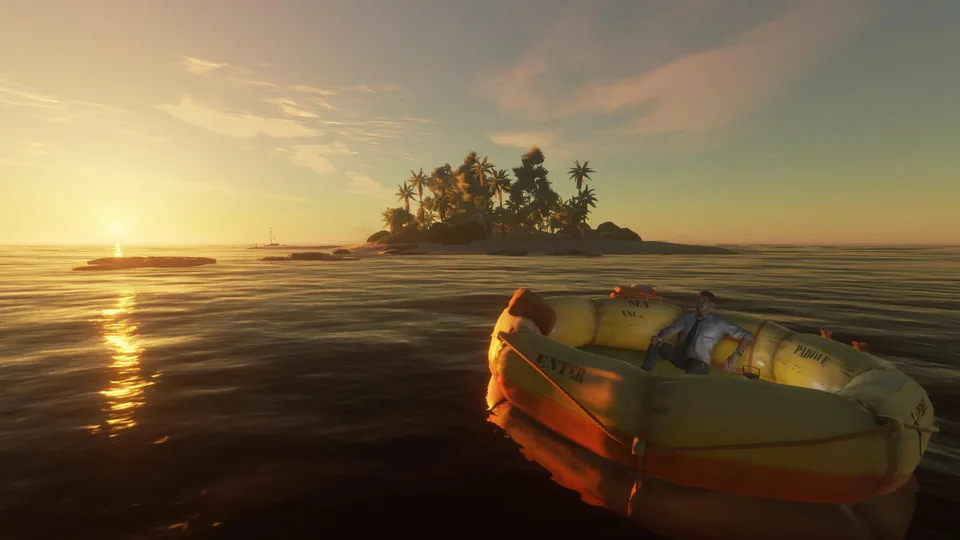
When you first wash ashore on your life raft, every second counts. Knowing how to prioritize your basic needs—hydration, nutrition, and protection—ensures you do not succumb to the harsh environment. According to experienced player experience reports, ignoring poor default tutorial steps and focusing on immediate resource management drastically increases your survival odds on the official Stranded Deep Steam Page. Let's dive straight into the crucial mechanics and step-by-step strategies you need to master.
Initial Shoreline Priorities and Resource Gathering
Your immediate priority upon reaching land is securing your life raft and gathering basic survival gear. Right-click and hold your life raft to drag it well onto the shore so it does not drift away with the changing tides. Open your inventory to collect the starting rations, bandage, and compass. Press 'F' to check your vital status on your watch, monitoring your health, hunger, thirst, and UV exposure levels to prevent dangerous sunburns.
Once your immediate gear is secured, scouring the island for basic crafting materials dictates your next move. You will need to locate rocks and palm saplings to build your very first stone tools.
Secure the Raft: Drag your life raft ashore immediately to prevent loss.
Check Your Watch: Press 'F' to evaluate vital stats including hunger, thirst, and UV exposure.
Collect Stones: Locate two loose rocks on the ground to craft your foundational stone tools.
Harvest Fibrous Material: Chop down palm saplings and local yucca trees to obtain vital fibrous leaves.
Resource Type
Acquisition Method
Primary Early-Game Use
Stones
Foraged from ground
Crafting stone tools and weapon heads
Fibrous Leaves
Chopped saplings/yuccas
Crafting lashings and water stills
Cloth
Found on shores/wrecks
Building water stills and smokers
Sticks
Picked up or chopped
Building fires, shelters, and axes
Crafting Essential Tools and Securing Water
Many beginners make the mistake of building a campfire first, but experienced players emphasize that securing a reliable water source is far more critical. Without water, your survivor will perish within two days. Instead of relying on finite coconuts—which can cause debilitating diarrhea if consumed in excess—you should prioritize constructing a water still.
Using fibrous leaves and cloth washed up on the beach, a water still provides a renewable source of hydration.
Stone Tool
Crafted from two loose stones, this crude implement deteriorates rapidly and should be reserved strictly for harvesting your first batch of fibrous leaves.
Crude Axe
Combines stone tools, a stick, and a lashing. Essential for chopping down larger ficus trees and defending yourself against aggressive wildlife.
Refined Knife
Made using a stone tool, stick, and lashing. Crucial for skinning hunted animals and harvesting raw meat efficiently.
To support your crafting endeavors, mastering the quickcraft menu by holding the 'C' key allows you to utilize items on the ground or in your inventory seamlessly. As community reports highlight, organizing your wood sticks into neat piles using 'C' saves valuable inventory space and keeps your base tidy.
Food Sources and Crafting a Smoker
Sustenance in this survival adventure is relatively easy to obtain once you establish a reliable food chain. Small animals such as crabs, seagulls, and bats yield small meats that replenish single nutrition points when cooked. However, leaving meat raw or eating spoiled items will induce vomiting and drain your vital stats.
Building a smoker next to your fire pit is a game-changer for long-term food preservation.
Tip
Always let your smoker fully process meat into smoked meat. While cooked meat can eventually spoil, smoked meat lasts forever and never spoils, ensuring you always have emergency rations during long voyages.
Meat Type
Source Animal
Nutrition Value
Preservation Quality
Small Meat
Crabs, Seagulls, Bats
1 Point
Spoils if not smoked
Medium Meat
Wild Boars, Cod, Groupers
2 Points
Lasts forever when smoked
Large Meat
Tiger Sharks, Hammerheads
3-4 Points
Requires multiple harvests
Hazards, Health Management, and Navigation
The Pacific is filled with hidden dangers that can quickly end your playthrough. Stepping on sea stars or encountering venomous snakes and lionfish on large islands will result in poisoning. When poisoned, your health drops steadily over three days unless treated immediately with an antidote crafted from pipi plants and a coconut flask.
Furthermore, navigation requires a keen eye and an understanding of the cartographer grid. Your compass points north, but managing your stamina and oxygen levels while diving for clay and sunken shipwrecks is vital.
Warning
Avoid venturing into deep open ocean waters or approaching red skull boss markers on your map until you have upgraded your weapons, built a stable raft with a motor or sail, and stocked up on medical bandages.
Affliction
Primary Cause
Recommended Treatment
Poisoning
Sea urchins, snakes, lionfish
Pipi antidote flask or rigorous rest
Sunburn
Excessive UV exposure
Seek shade, water, or aloe salve
Bleeding
Shark bites or marlin attacks
Apply a bandage or healing potion
Diarrhea
Overeating fruits/coconuts
Stop consuming fruit and hydrate properly
Frequently Asked Questions
How do I get water quickly in Stranded Deep?
Build a water still using cloth, palm fronds, and fibrous leaves as soon as possible. This provides a sustainable, renewable hydration source compared to non-renewable coconuts.
Do resources respawn on islands?
According to community reports, plants like yuccas and small palm trees respawn every 48 hours, whereas core mining resources like rocks, clay, and washed-up cloth do not respawn once depleted.
What is the best weapon for hunting sharks?
Crude and refined spears are excellent early-game projectile weapons. Throwing multiple spears or using a speargun helps safely take down aggressive sharks from a distance.
How do I cure poisoning without an antidote?
If you lack pipi plants for an antidote, you must keep your hunger and thirst bars completely full, stay in bed, and sleep through consecutive nights to outlast the three-day affliction.