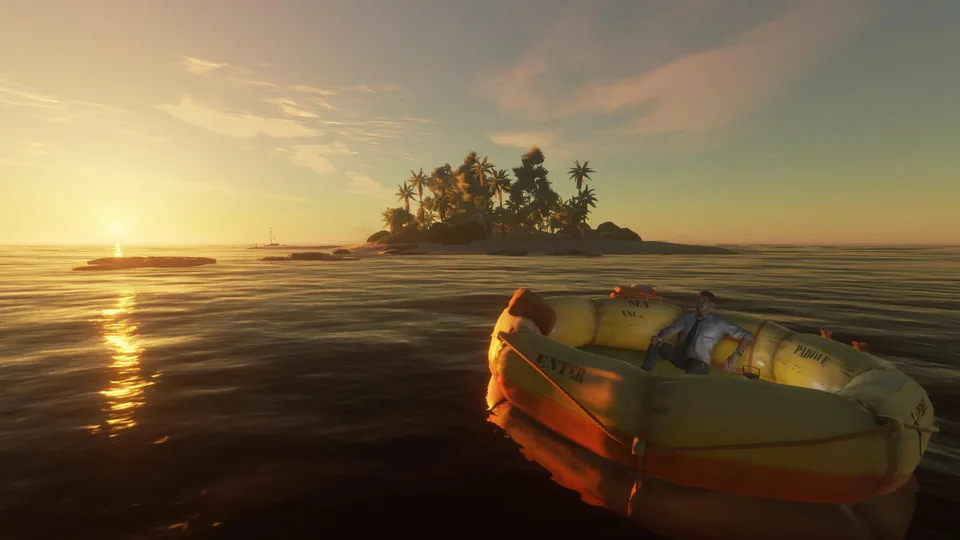
Stranded Deep Islands Guide: Best Exploration Tips
Master stranded deep islands exploration with expert survival tips. Learn how to navigate terrain hazards, defeat giant crabs, and gather vital resources.
Published: Stranded Deep Wiki Editorial Team
Table of Contents
Navigating the Dangers of Stranded Deep Islands
When you first wash ashore in the vast Pacific, understanding the layout and hazards of various stranded deep islands is essential for long-term survival. Many players make the critical mistake of blindly paddling toward any patch of land on the horizon without checking what lies ahead. This comprehensive exploration guide will help you prepare for your journey, manage resources efficiently, and conquer the toughest environmental challenges the game has to offer.
Choosing your destination wisely prevents unnecessary resource depletion and keeps your health bar full. As noted in recent community reports, different landmasses feature distinct topography, ranging from peaceful sandy beaches with minimal threats to rugged, rock-dominated terrain teeming with aggressive wildlife. To help you plan your next voyage, let's break down the primary classifications of landmasses you will encounter while navigating the open ocean.
Standard Small Islands
These locations feature flat terrain, sparse palm trees, and very few threats aside from small, passive beach crabs and the occasional patrolling shark in the shallow waters surrounding the shore.
Rocky Biome Islands
Easily identifiable by massive central rock formations, these treacherous zones are home to giant crabs and aggressive boars that can quickly overwhelm unprepared players.
Assessing Island Hazards and Wildlife Threats
Surviving in this open-world survival game developed by Beam Team Games requires careful risk assessment before stepping off your raft. When evaluating stranded deep islands, you must look beyond the scenic sunrise views and focus on potential combat encounters. The wildlife on these isolated landmasses adapts to your presence, making preparation vital before every expedition.
According to player experience shared by seasoned explorers, resource distribution varies wildly depending on the geological features of the specific landmass. While rocky locations offer higher-tier loot and valuable crafting ingredients, they also present severe combat challenges. You should never land on an uncharted shore with empty hunger and thirst meters, as unexpected fights can drain your stamina rapidly.
Island Type
Primary Wildlife
Threat Level
Recommended Gear
Sandy Atolls
Small Crabs, Sharks (Water)
Low
Crude Spear, Basic Knife
Rocky Outcrops
Giant Crabs, Giant Boars
High
Multiple Spears, Bandages
Barren Rocks
Minimal Wildlife
Very Low
Paddle, Compass
Essential Survival Tactics for Tough Terrain
Combat mechanics in the game require precision, especially when dealing with aggressive fauna. When exploring hazardous stranded deep islands, standard wildlife management will not suffice against larger opponents. Giant boars and oversized crabs demand specific combat strategies to avoid fatal damage.
For instance, trying to melee a giant crab with standard tools can result in broken weapons. Instead, veteran players recommend crafting multiple wooden spears and keeping your distance. If a boar charges you, utilize nearby water bodies where land-bound animals struggle to swim, or use high-ground rocks to gain a tactical advantage.
Tip
Combat Advantage: When fighting giant crabs or boars on rocky terrain, jump onto elevated boulders where enemies cannot reach you, allowing you to safely throw spears downward.
Resource Management and Looting Strategy
Efficient gathering ensures your survival loop remains sustainable over dozens of in-game days. When you visit new stranded deep islands, stripping local vegetation of palm fronds, fibrous leaves, and coconuts should be balanced against the time spent managing your vitals.
Keep in mind that hostile creatures respawn over time, meaning previously cleared zones may become dangerous again on return visits. Establishing a systematic looting routine helps you maximize efficiency without risking unnecessary health loss.
Reconnaissance: Scan the shoreline from your life raft using binoculars to spot large central rock formations and potential wildlife movement.
Preparation: Ensure your health, hunger, and thirst meters are completely full before stepping onto unfamiliar shores.
Gear Check: Pack at least two to three throwable wooden spears and check that your bandages are accessible in your inventory.
Strategic Engagement: Take down aggressive boars and giant crabs from high ground or water edges to minimize physical damage.
Harvesting: Gather remaining palm leaves, coconuts, and crafting components quickly before returning to your raft.
For official game updates, community hubs, and hardware specifications, you can check the official Stranded Deep Steam Page to learn more about upcoming patches and developer announcements.
Frequently Asked Questions
What are the main differences between island types in Stranded Deep?
Standard atolls feature flat terrain with minimal threats like small crabs, whereas rocky landmasses house aggressive giant boars and giant crabs that require advanced combat preparation.
How should I fight giant crabs during exploration?
According to community reports, throwing wooden spears from a distance or standing on elevated rock formations where enemies cannot easily reach you is the most effective strategy.
Are animals able to swim in the water?
Land-based predators such as boars cannot swim effectively, making water bodies a safe retreat if you need to escape a charging beast.
Do resources and wildlife respawn on explored landmasses?
Yes, hazardous wildlife like giant boars and crabs will eventually respawn, meaning previously cleared zones require caution upon subsequent visits.